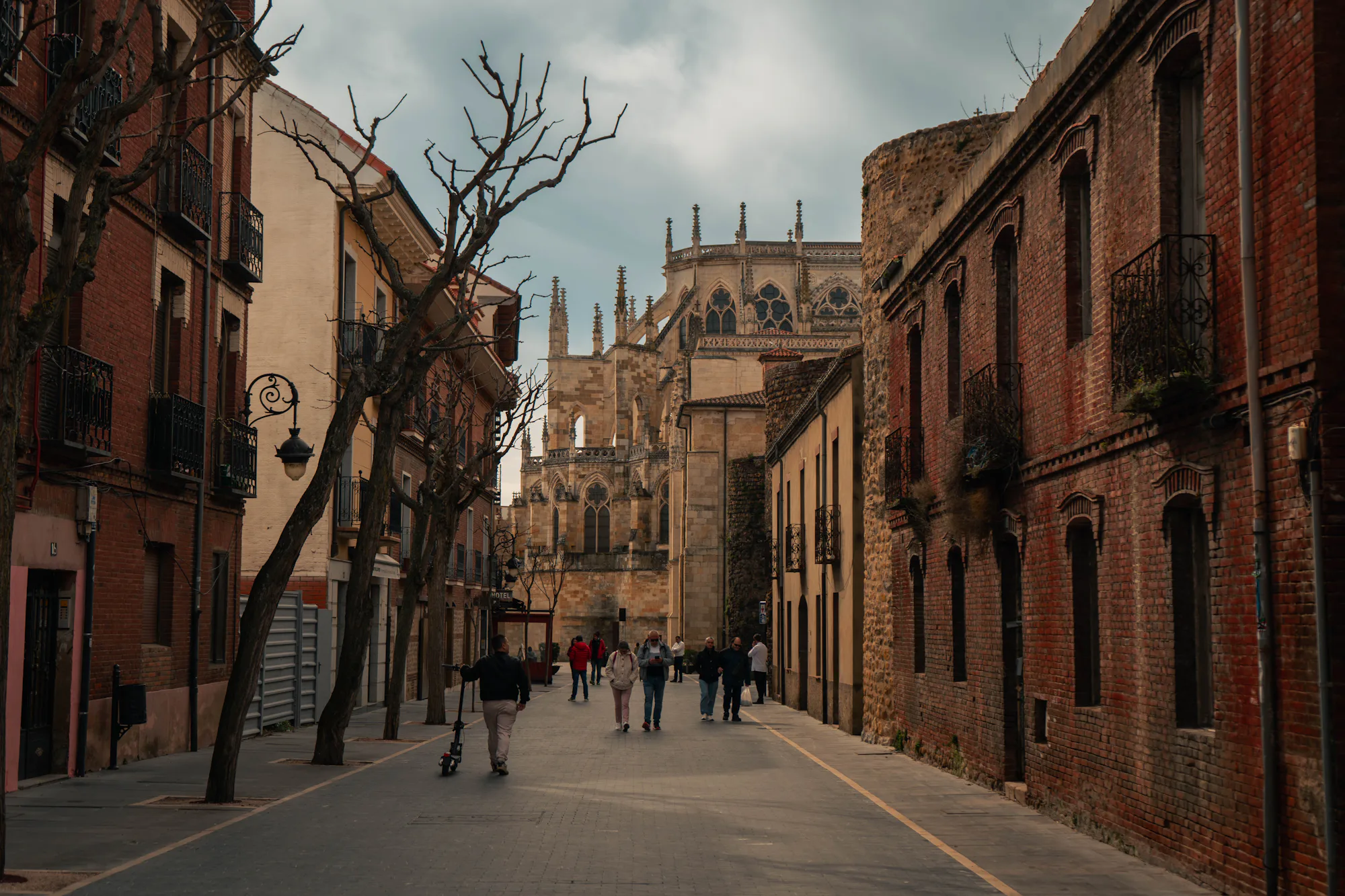
Most of our clients don't live in Asturias or León, and many don't live in Spain. Buying from abroad is perfectly feasible: this is how it works.
What you need
- NIE (foreigner identification number): mandatory to buy, pay taxes and sign. It can be requested at a Spanish consulate in your country or in Spain.
- Spanish bank account: recommended to pay taxes and bills and collect rent. Banks offer non-resident accounts.
- Power of attorney (optional): granted before a notary in your country (with apostille) or at a Spanish consulate, so someone can sign on your behalf.
Step by step
- Brief: budget, target yield, city and rental strategy.
- Search and video viewings: we shortlist and show you each finalist live by video call.
- Checks: land registry extract (nota simple), charges, property tax, service charges and owners' association minutes.
- Offer and deposit contract (arras): typically around 10 % of the price, with a date to complete.
- Completion at the notary: you sign in person or through your power of attorney; the deed is then registered.
- Letting: refurbishment if needed, tenant selection and monthly management.
Taxes for non-residents (overview)
- On purchase: transfer tax (ITP) on resale homes, 8 % in Asturias and in Castilla y León as a general rule, plus notary and registry fees.
- On rental income: non-resident income tax (IRNR). As a general rule, 19 % on net income for EU/EEA residents (deducting expenses) and 24 % on gross income for residents elsewhere. Double-taxation treaties prevent paying twice.
- Every year: local property tax (IBI) and, depending on your total assets in Spain, wealth tax.
Important: this is a general overview, not tax advice. Each case must be reviewed by a tax adviser before buying; we work with advisers who specialise in non-residents.
Where to invest
We focus on Asturias (Oviedo, Gijón, Avilés and the mining valleys) and León and Ponferrada: markets with higher yields than Madrid or Barcelona and lower entry prices. Spanish-speaking investors from Latin America can read our guide in Spanish.